
Self-Checkout Is Costing Retailers Money. Here’s What Smart Unattended Retail Does Differently.
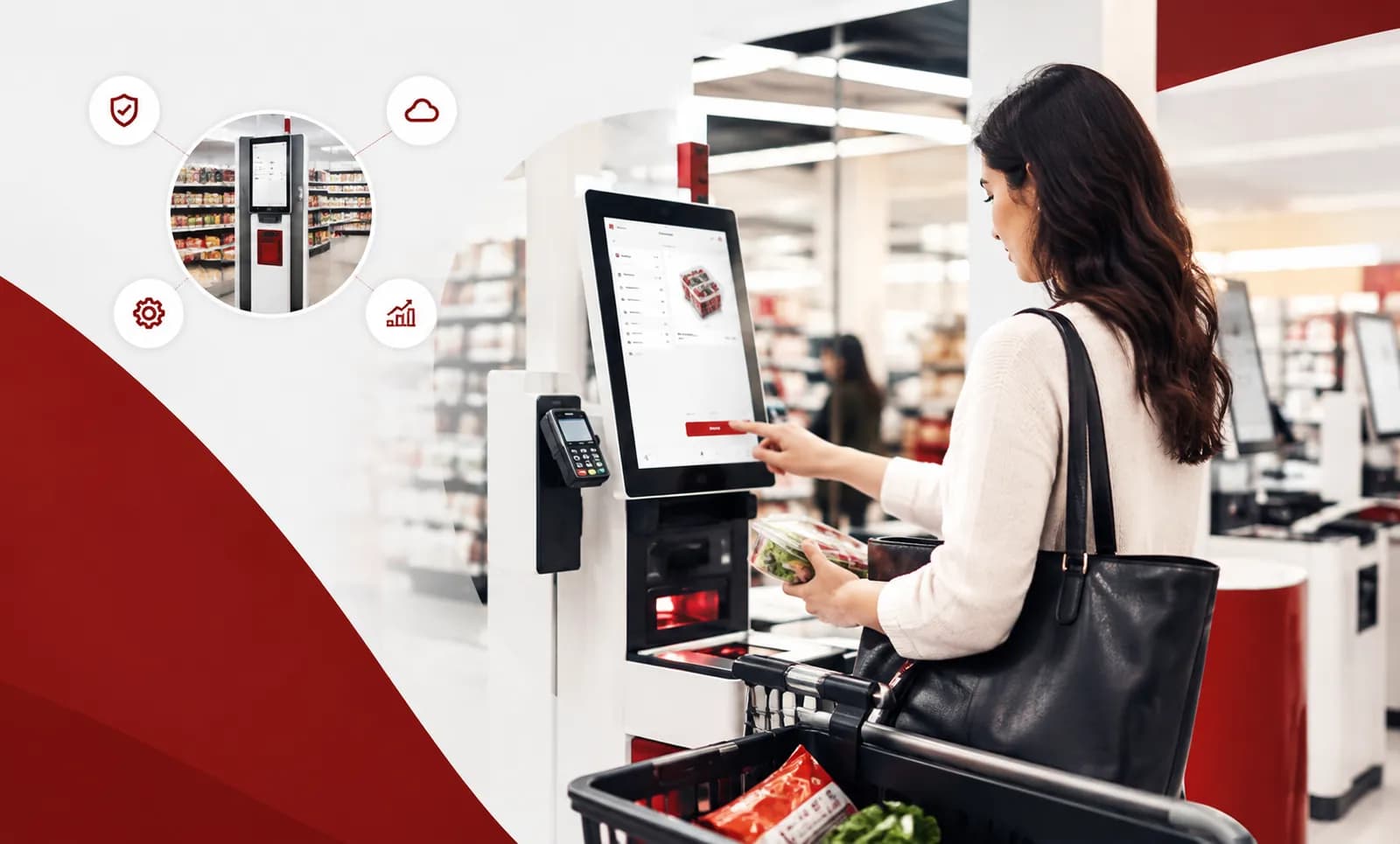
Self-service was supposed to cut costs and speed up lines. For many stores it quietly did the opposite. The good news: the technology to fix it already exists, and it is better than ever.
Walk into almost any big-box store and you will see them: rows of self-checkout lanes that promised faster service and leaner staffing. The promise was real. The execution, for a lot of retailers, turned into a slow leak of profit that no one planned for. Here is the part worth getting excited about. The problem was never self-service itself. It was self-service left to run without intelligence behind it.
The Self-Checkout Bill Nobody Budgeted For
The numbers tell a clear story. U.S. retailers lost an estimated $112 billion to shrink in a single recent year, a category that blends theft, scan errors and inventory mistakes. A single major chain reported close to half a billion dollars in shrink losses and responded by capping self-checkout to ten items or fewer. Others went further, pulling machines out of their highest-loss stores entirely or phasing self-checkout out altogether.
Those headlines are not an argument against automation. They are an argument against unmanaged automation. A checkout lane that cannot see what it is selling will always cost more than it saves.
Why Convenience Started Leaking Profit
Traditional self-checkout hands the entire transaction to the shopper and simply hopes for the best. There is no real verification that every item is scanned, no live view of what is leaving the floor, and no easy way to know which lane is losing money until the quarterly count arrives. Add long queues when a single attendant is covering six screens, and you get the worst of both worlds: higher loss and a frustrated customer. That combination chips away at margin and loyalty at the same time.
Smart Unattended Retail Flips the Equation
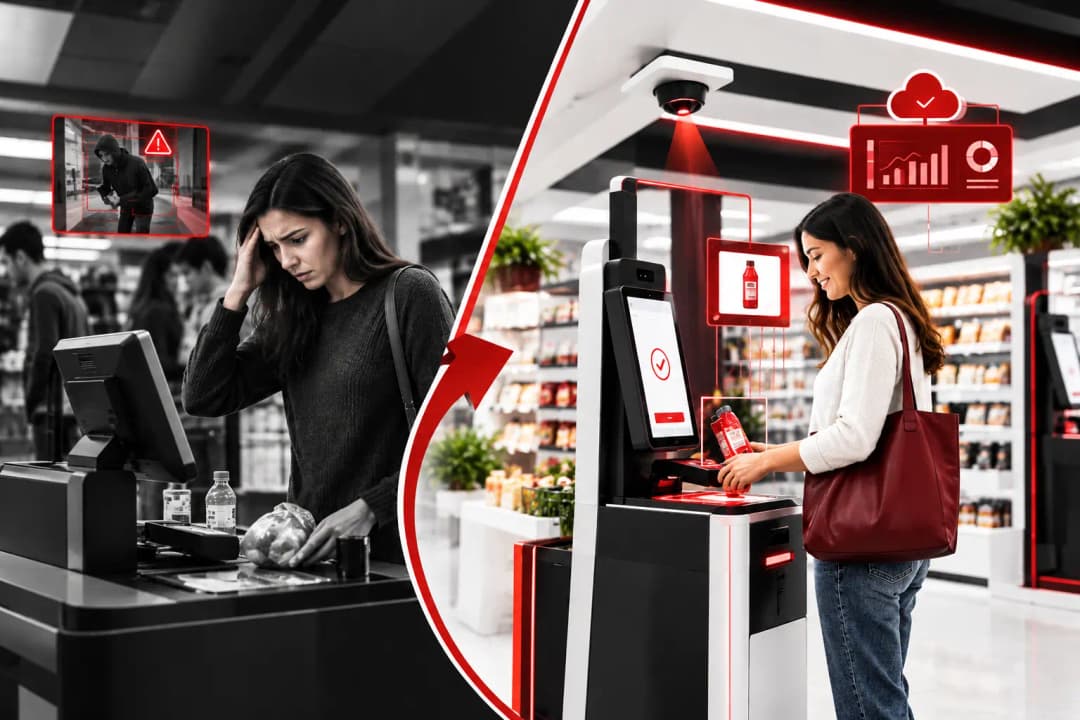
This is where the story turns positive. Smart unattended retail does not ask the shopper to be the security system. It builds intelligence into the point of sale itself, so convenience and control finally work together instead of against each other. Smart vending machines, self-service kiosks and automated stores sell around the clock, track every unit in real time and give operators a live window into performance from anywhere. The result is a format that earns its keep rather than quietly draining it.
What Smart Unattended Retail Does Differently
It sees every transaction
Sensor-driven stocking, weight validation and item-level tracking confirm what is actually sold, closing the gaps where ordinary self-checkout loses money.
It never clocks out
Smart vending and automated kiosks sell 24 hours a day with cashless payments, so stores capture demand long after a staffed lane would be closed.
It is managed from the cloud
Operators monitor inventory, pricing and device health remotely across every location, spotting issues in real time instead of discovering them weeks later.
It turns data into margin
Live sales and customer analytics reveal what moves, when and where, so each machine and shelf keeps getting smarter and more profitable.
The Payoff: Lower Loss, Higher Loyalty
When the point of sale can verify, track and report on its own, shrink stops being a mystery and starts being manageable. Shoppers get fast, frictionless service that respects their time, and operators get a clean, real-time view of the business. Instead of choosing between convenience and control, smart unattended retail delivers both, and it scales from a single machine to a full network without multiplying your headcount. That is automation working the way it was always supposed to.
Self-checkout was only the first draft of unattended retail. The smarter version is already here, and the retailers adopting it now are turning a former cost center into a genuine growth engine.
Build Retail That Pays You Back
Kineto unifies smart vending, self-service kiosks and retail automation into one AI-driven platform, so your unattended stores run leaner, sell longer and lose less.
Explore Retail Automation